
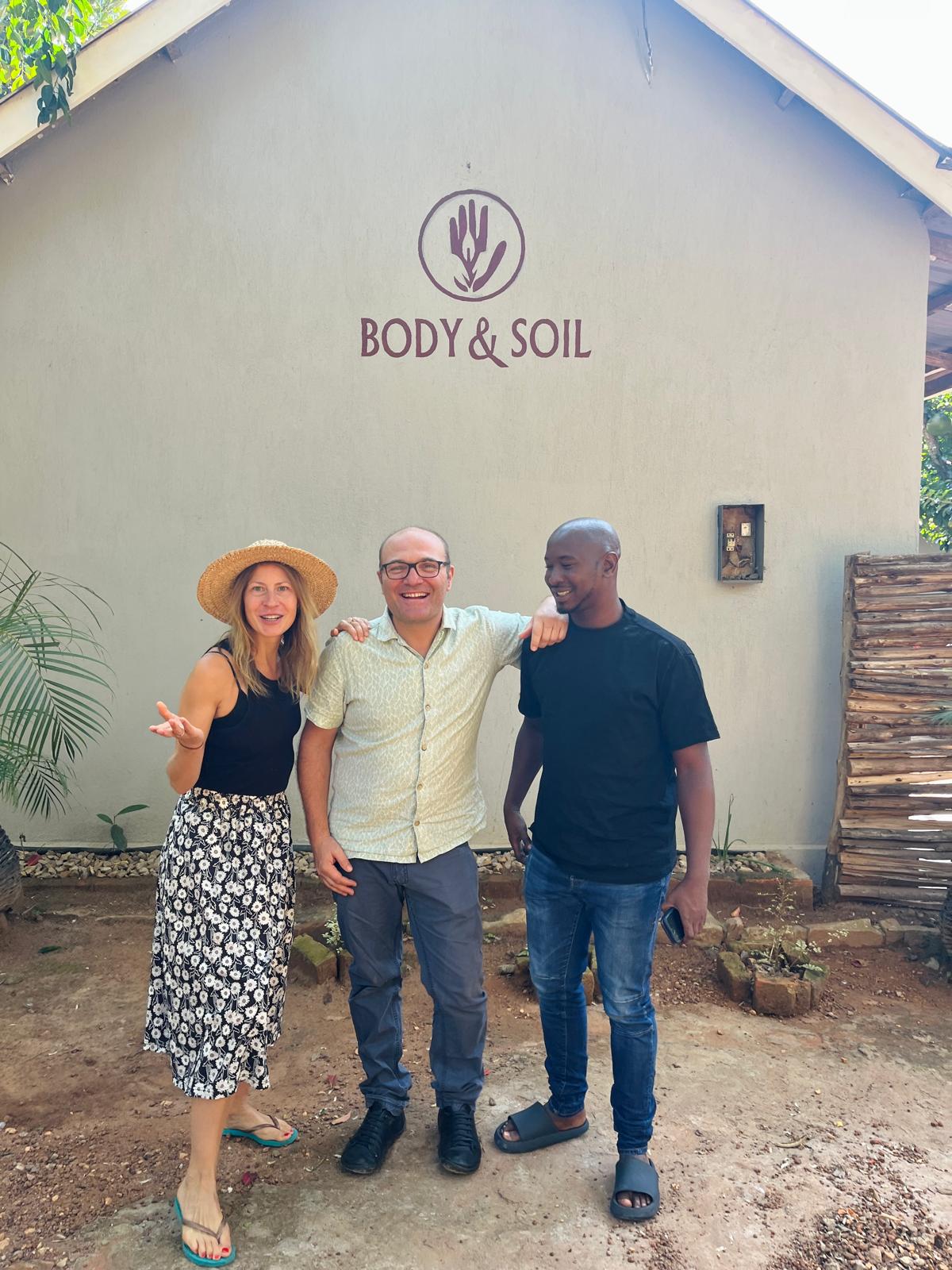
A collaboration with Body & Soil at RUCID
Understanding soil starts by seeing it.
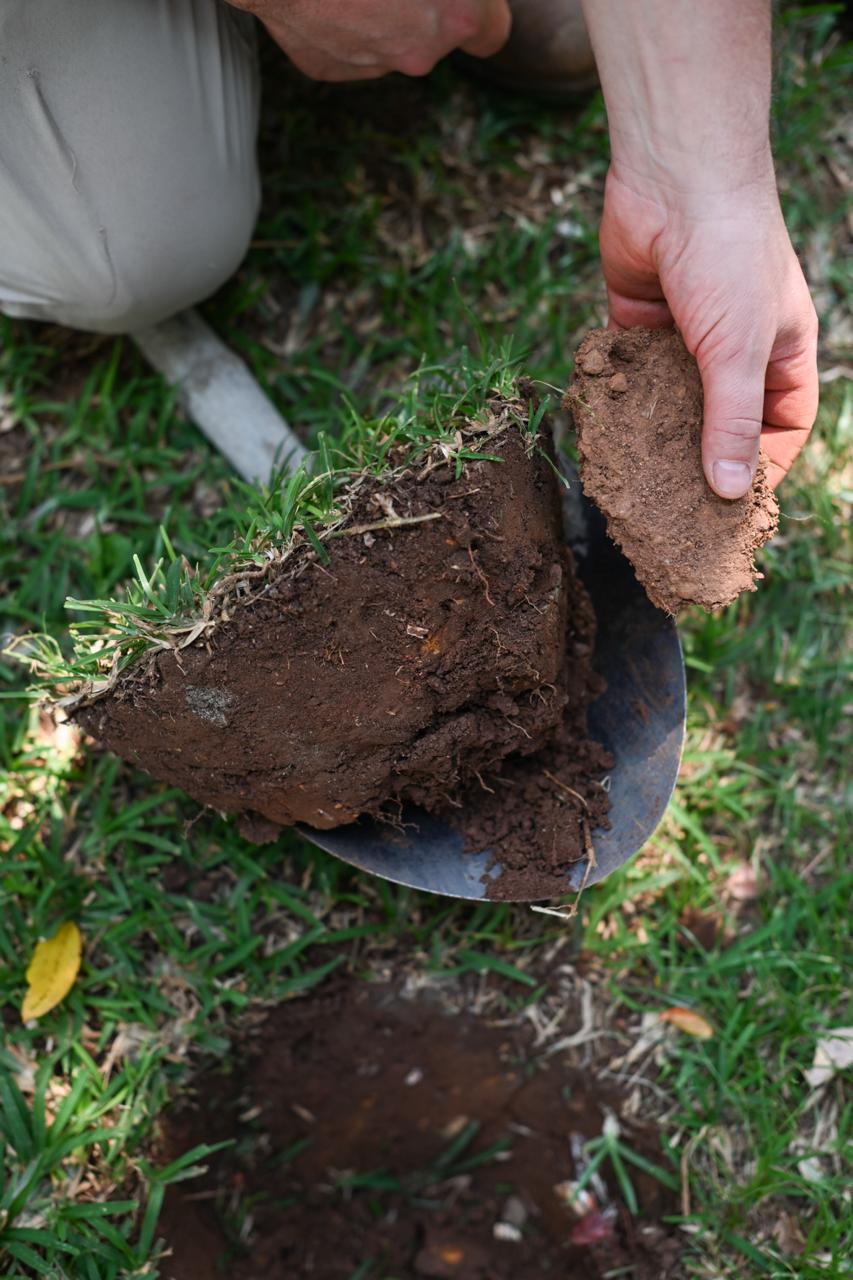
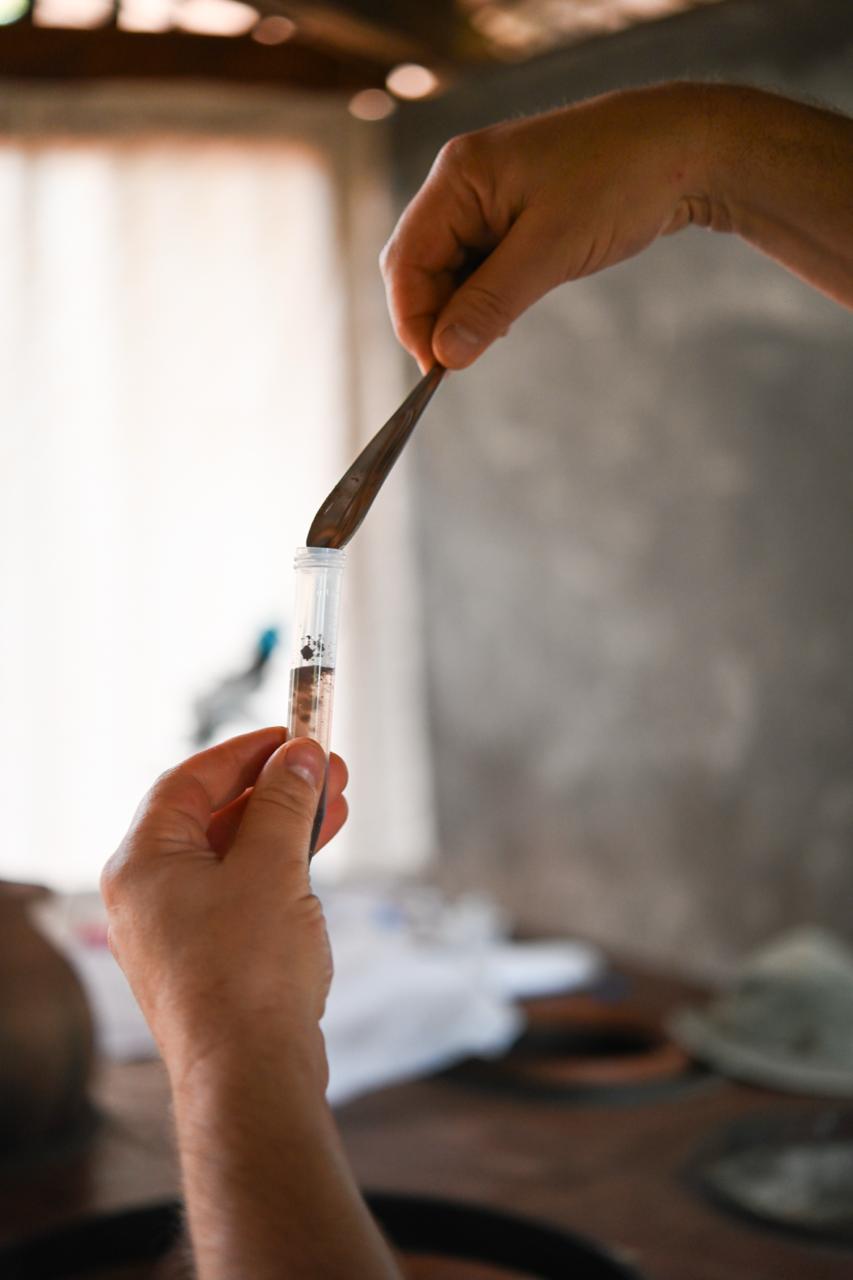
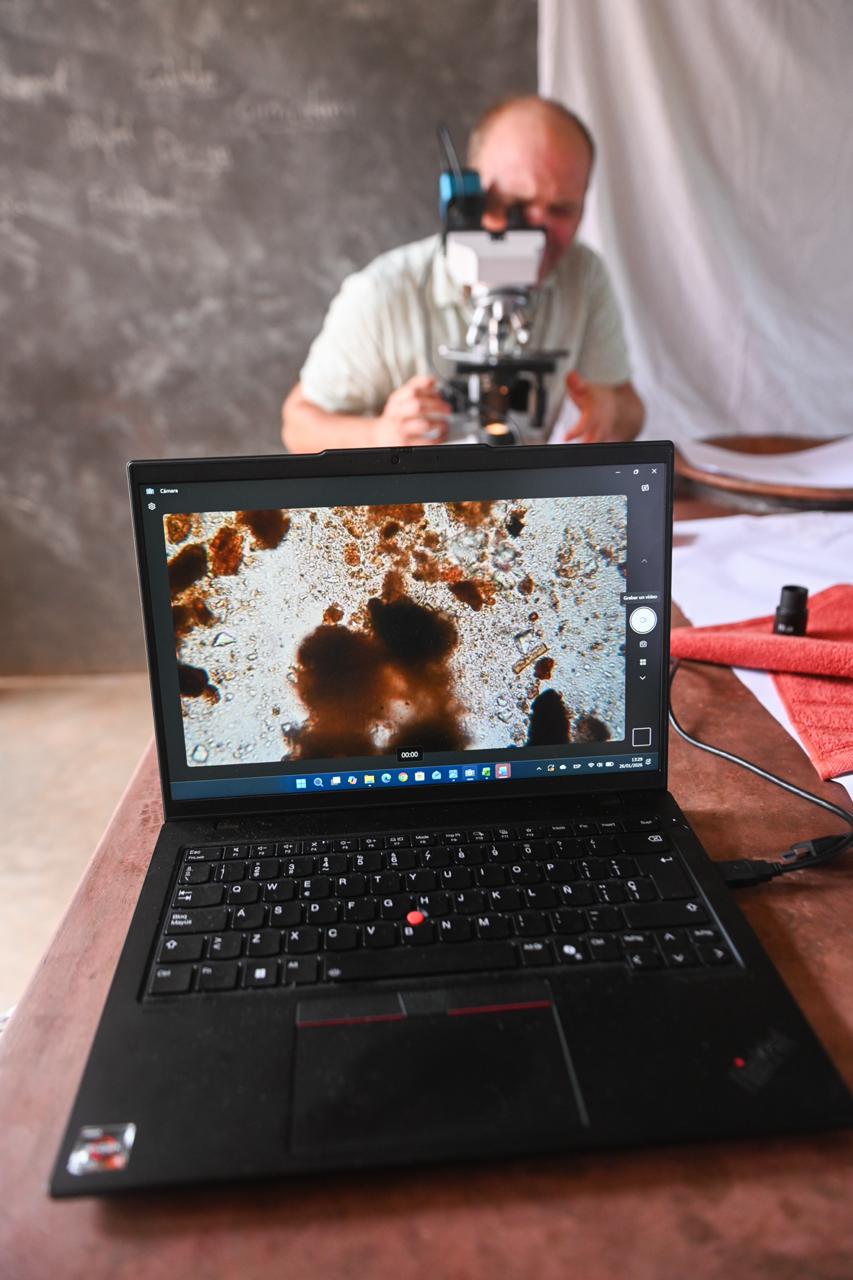
In our recent soil microscopy course, educators and practitioners learned how to recognise living soil under the microscope and why this matters for soil health, plant nutrition, and regenerative horticulture. We combined theory, observation, and curriculum design.
What We Explored
Participants identified key actors of the soil play:
- Bacteria – nutrient cycling and aggregation
- Fungi – carbon transport and soil structure
- Protozoa & nematodes – nutrient release through grazing
- Organic matter – stages of deccay, Humic acids
- Minerals – forms, weathering
We linked observation to function:
- Soil aggregation
- Nitrogen mineralisation
- Carbon stabilization
- Plant nutrient availability
- Water retention
Soil biology became visible, measurable, and manageable.
From Microscope to Garden
Microscopy supports: Compost quality assessment, Liquid biofertilizer evaluation and Soil regeneration strategies. The principle is simple: If we understand who lives in the soil, we understand how nutrients move because Biology drives chemistry, Chemistry regulates plant physiology. Physics (structure) regulates air and water. After observing and understanding, agronomic decision making and is simple.
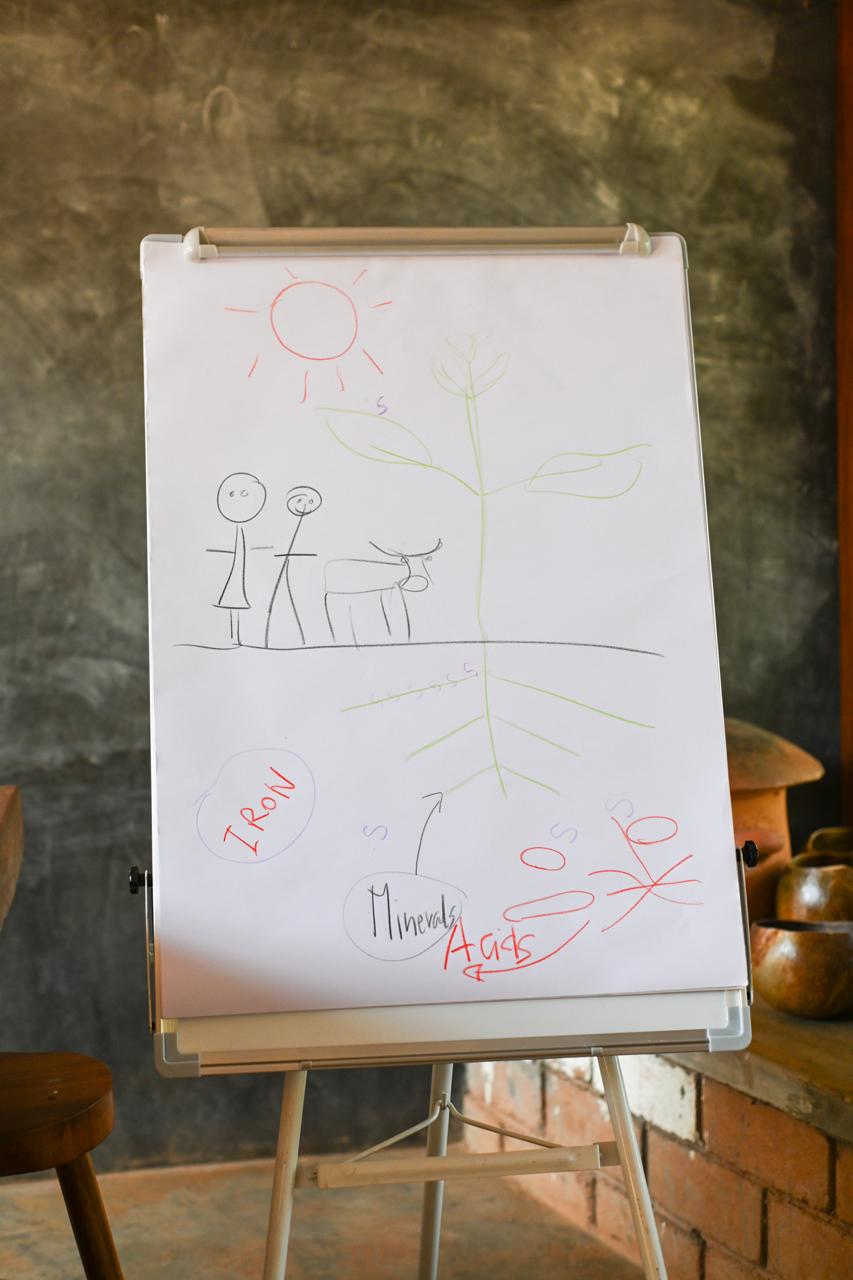
Developing the “Body and Soil” Curriculum
We worked on implementation pathways:
- Integrating microscopy into school programs
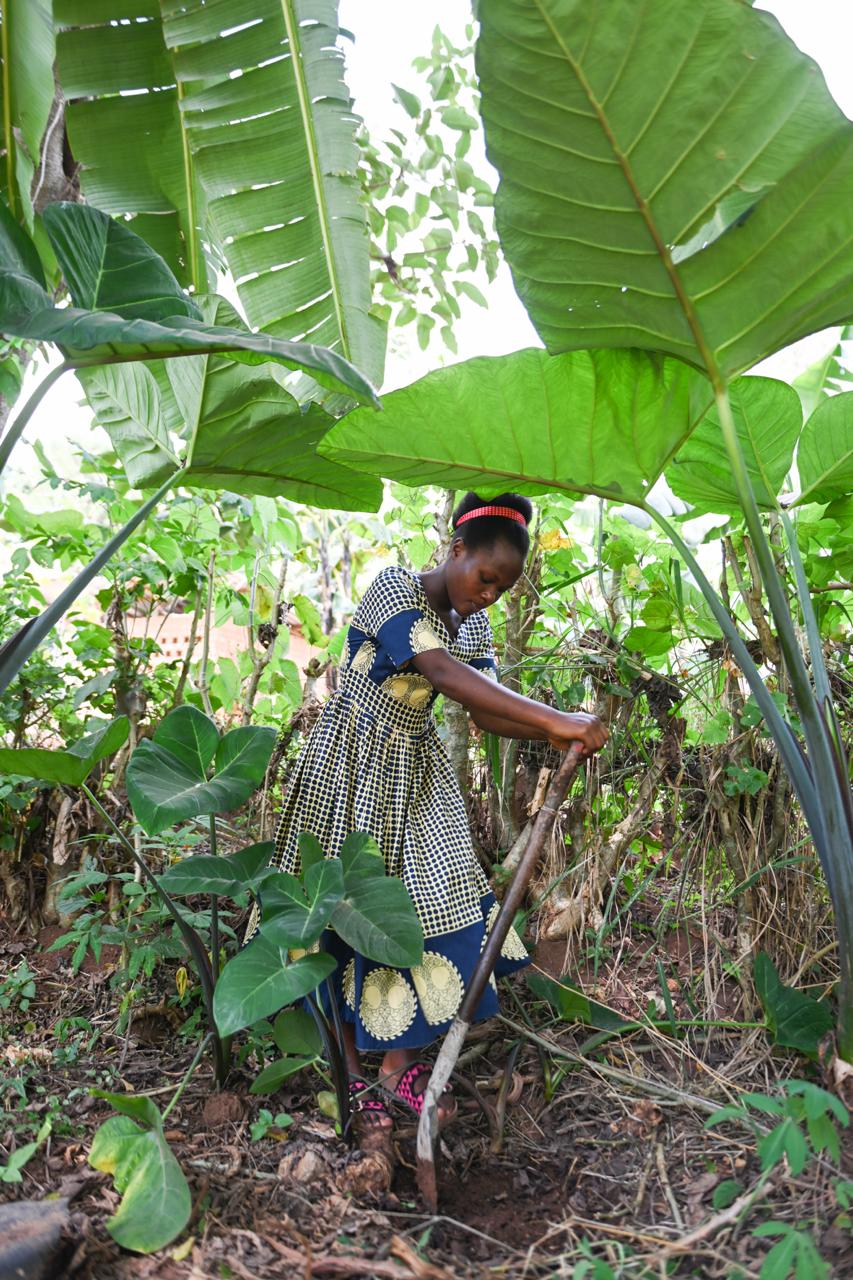
- Designing a horticultural school gardens as a living laboratory
- Connecting soil biology with nutrition and human health
- Creating age-adapted learning modules
The garden becomes a biology lab, a nutrition classroom, and a systems-thinking platform. where soil is no longer dirt,
compost is no longer waste and fertility becomes a biological process.
 ROCKINSOILS